

Cat Litter Odor Control: How to Keep Your Litter Box Fresh

Updated March 2026 | By the PetLovers Team
If your cat's litter box has become the one thing keeping your home from smelling fresh, you're not alone. Odors stick around not just because of the litter you pick, but also because of cleaning habits, humidity, diet, and even how well your cat stays hydrated. Small tweaks in your routine and environment can make a huge difference. Understanding how to manage these factors saves you time and spares you the awkwardness when guests visit. Let's dig into some practical, vet-backed tips and smart tools to learn how to keep the litter box from smelling.
Mastering the Daily Scooping Routine

Cat Litter Scoop
The biggest odor source: residue left behind after each scoop. This built-in container ends that.
How to Scoop Without Mess (and Without Smell)
A clean scoop is the single biggest odor-control move. Here's the full workflow in under a minute — bag in, scoop, dispose, no touch.
Demonstrated with the PetLovers Cat Litter Scoop with Built-In Waste Container.
The most reliable way to stop litter box odors is to scoop consistently. Waste sitting out is the biggest reason smells linger, so removing it before bacteria can multiply makes a big difference.
For most homes, scooping twice a day keeps odors under control and stops your house from developing that unmistakable litter box smell. Automatic litter boxes have changed the game for cat owners who struggle with frequent cleaning.
These machines can cut odor by up to 85-92%, isolating waste right away and interrupting the bacterial growth cycle that leads to smells. If you prefer manual cleaning, sticking to a routine and using the right tools is your strongest defense for a fresh, hygienic box.
Make Scooping Effortless with the Right Tool
A sturdy, well-designed scooper can make daily clean-up quick and easy. The PetLovers Cat Litter Scoop ($19.99) features a no-touch, one-handed design with a built-in waste container that lets you scoop and dispose without holding a bag or touching waste. Its wide, durable sifting blade separates clean litter from clumps efficiently, and the ergonomic handle lessens hand strain and helps prevent buildup.
When you combine the right habits with a quality tool, odor control becomes almost effortless. Shop the PetLovers Cat Litter Scoop

Choosing the Best Cat Litter for Odor Control
The litter you choose plays a huge role in managing odors. Some litters trap and neutralize smells, while others only cover them up. Knowing the difference helps you pick the best litter for your cat and your odor-control goals.
Clumping vs. Non-Clumping Litter
Clumping litter is the most popular type because it binds waste into firm clumps that lock in odors and make cleanup easier. Studies show clumping litters outperform non-clumping types in controlling odor by reducing contact between waste and clean granules.
Non-clumping litter might need replacing more often, but it can still work if you're diligent about cleaning. For the most effective odor control, clumping varieties remain the top choice to prevent smells from spreading.
Scented vs. Unscented Options
Scented litter seems like a quick fix, but artificial fragrances can bother cats or even make them avoid the box. A light scent can help short-term, but it's not a real solution. Unscented litter, combined with frequent scooping and good airflow, usually delivers the best long-term results.
If odors keep coming back, focus on cleaning the source instead of covering it up. Clean thoroughly, keep air moving, and use quality litter rather than relying on strong scents.
Natural and Dust-Free Alternatives
Eco-friendly litters made from wood, corn, wheat, or paper have become favorites for cat owners who value natural odor control and safe breathing environments. These biodegradable, low-dust materials absorb moisture well and are gentle on paws.
Natural litters not only cut down on household dust but also support odor control with fewer irritants. With better sustainable options available, they now match the odor-fighting power of traditional clumping litters, making them a smart, responsible choice for both cats and owners.
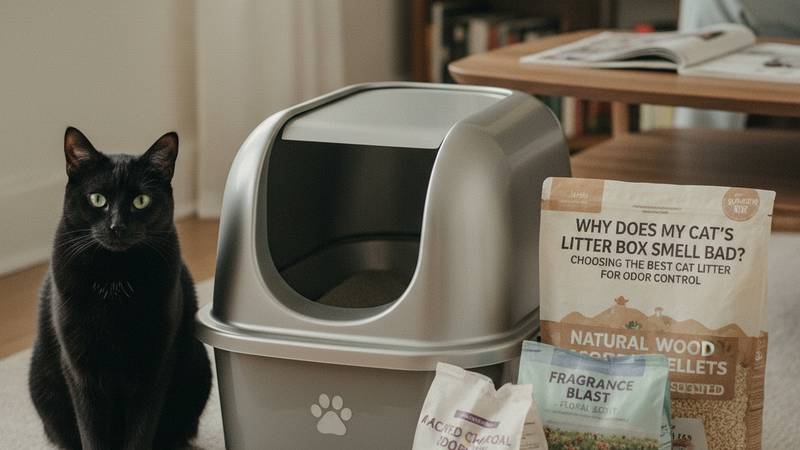
Strategic Litter Box Placement and Environment
Where you place the litter box has a major impact on how odors spread in your home. Many owners don't think much about location, but airflow and humidity affect how long smells linger.
The Importance of Ventilation
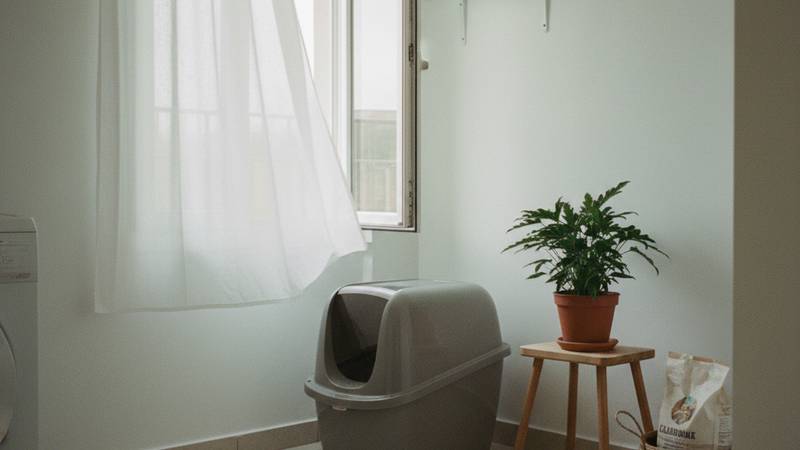
Research shows that good airflow can reduce odor intensity by up to 50%. Setting the box in a quiet spot with plenty of ventilation lets fresh air diffuse smells naturally. Avoid closed spaces like closets or laundry rooms where stale air traps odors.
If possible, put the box near a window or in an area with gentle airflow. Just don't place it in direct drafts or near a heat vent, since both can make odor worse. Smart placement works hand in hand with regular cleaning for a fresher environment.
Managing Humidity
Humidity above 60% can make odors up to twice as strong. Even if you scoop religiously, a damp location can still make the box smell. Avoid basements, bathrooms, or any enclosed spots where moisture builds up.
A small dehumidifier or fan can balance humidity and stop litter box smells from spreading. Managing air quality is one of the easiest, most overlooked ways to keep odors under control.
The Deep Clean: Washing and Replacing Your Litter Box
Even if you scoop daily, residue will build up over time. A regular deep clean removes hidden buildup and gets your litter box back to a truly fresh state.
How Often to Completely Change the Litter
Most cat owners should empty, wash, and refill the litter box every two to four weeks, depending on the litter type and number of cats. Use mild soap and warm water, then let it dry completely before refilling. This routine slows bacterial growth and solves that common frustration of "why does my litter box still smell after cleaning?"
Adding a small layer of fresh litter each week can extend cleanliness, but a full change is needed to fully eliminate odors.
When washing litter mats, towels, or anything near the box, use PetLovers Washing Tablets to remove embedded odor and bacteria that regular detergent misses.
Why You Should Replace the Plastic Box
Plastic traps odors over time, no matter how much you scrub. After a year or two, even a well-cared-for box can hold embedded smells. Replacing it now and then keeps the space cleaner and helps with odor control.
If bad smells return right after cleaning, it might be time for a new box. This simple switch often makes a noticeable difference.
Solving Odor Issues in a Multi-Cat Household
Homes with multiple cats naturally deal with stronger odors. The right number of boxes and smart setup keeps things cleaner and helps maintain harmony.
The "N+1" Rule for Litter Boxes
Vets recommend one litter box for each cat plus one extra, known as the "N+1" rule. It helps reduce crowding, avoids territorial stress, and keeps any single box from getting overloaded. So, if you have two cats, you'll need three boxes in separate, calm areas.
Spreading them out also prevents guarding behavior, giving each cat space and improving odor control across the home.
Optimal Box Size and Litter Depth
Pick a litter box that's about 1.5 times the length of your cat, filled with 3-4 inches of litter. Too little litter exposes waste to the box surface, making smells worse, while too much creates excess dust and waste.
Keeping a consistent depth and enough surface space supports airflow and odor absorption, both essential for freshness in multi-cat setups.
How Your Cat's Health and Diet Impact Litter Box Smell
Sometimes, even perfect cleaning habits can't fix strong smells if your cat's health or diet is the real cause. Hydration, nutrition, and overall wellness all play roles in odor strength.
The Link Between Diet, Hydration, and Odor
Cats that stay hydrated produce less concentrated urine, which naturally smells milder. Adding wet food or providing a cat water fountain encourages better hydration. Likewise, diets lower in ammonia-producing ingredients can help reduce smell.
Balanced nutrition supports internal health and strengthens odor control from the inside out. A complete approach starts right at the food bowl. For more detailed veterinary information, check out the litter hygiene and feline health guide from Cornell University experts.
When a Strong Smell Signals a Health Problem
A sudden shift in odor intensity can point to issues like urinary tract infections, kidney disease, or digestive troubles. If the smell turns unusually sharp or sour even with good hygiene, contact your vet.
Keeping an eye on your cat's litter habits and the condition of waste helps catch early signs of illness. Staying alert keeps your cat healthier and your home fresher.
Using Additives and Deodorizers Safely
Sometimes regular cleaning isn't enough, and that's when odor-fighting additives can help, as long as they're safe for cats. Choosing non-toxic options is the safest way to protect your pet.
Natural Odor Eliminators for Cats
A few common household items can do wonders. Sprinkle a thin layer of baking soda at the bottom of the box before adding litter. It helps neutralize odors. Cat-safe enzymatic sprays and natural additives also work by breaking down odor molecules in a gentle, safe way.
These natural odor removers boost cleanliness without using strong scents, keeping your cat's box fresh and safe.
What to Avoid: Air Fresheners and Scented Products
Skip plug-ins, aerosols, or overpowering sprays near the litter box. Cats have delicate respiratory systems, and harsh chemicals can cause discomfort or make them avoid the area completely.
Try using a pet-safe air purifier instead to quietly freshen the air without added fragrance. Combined with daily scooping and quality litter, these safer methods help you maintain a clean, odor-free home.
For daily hair cleanup around the litter area, a PetLovers Extra Sticky Lint Roller quickly removes cat hair from nearby furniture and clothing.
Fresh Home, Happy Cat
Keeping your cat's litter box from smelling involves consistency, good choices, and a bit of observation. Regular scooping with the right tools like the PetLovers Cat Litter Scoop, quality litter, and airflow form the backbone of effective odor control. Investing in handy tools makes maintenance easier and keeps you on track. By keeping an eye on humidity, replacing boxes when needed, and supporting your cat's health through diet, you'll build a routine that balances cleanliness with comfort. With a little care, your home can stay welcoming and fresh all the time.
Browse the full PetLovers Cat Litter Scoop collection for the right scooping setup for your home.
For more tips on keeping your cat comfortable at home, see our guides on understanding velcro cats and how to cat-proof your home office.
FAQs about How to Keep Litter Box from Smelling
How do I keep my litter box from smelling in the house?
Scoop the litter box daily with a quality tool like the PetLovers Cat Litter Scoop, or use an automatic litter box for more consistent waste removal. Clumping litter also helps control odors effectively.
Is it possible to have a litter box that doesn't stink?
Yes. A stainless-steel litter box paired with wood pellet litter can minimize smells, as steel resists odor absorption and wood pellets control moisture. Combine with daily scooping for best results.
Why do vets not recommend closed litter boxes?
Veterinarians often discourage closed boxes because they trap moisture and odors, creating an environment that may stress cats or make them avoid the box.
Where is the most sanitary place to put a litter box?
Place the litter box in a quiet, well-ventilated area away from heavy traffic. Proper airflow minimizes odor while keeping the area accessible to your cat.
Why does my cat's litter box smell so bad?
Odors often result from infrequent scooping, trapped waste, excess humidity, or poor-quality litter that fails to contain smells. A quality litter scoop and consistent cleaning routine solve most odor issues.
Will an automatic litter box really eliminate odor?
Automatic litter boxes can greatly reduce odor by constantly removing waste, preventing buildup, and minimizing bacteria growth.
What is the best litter to use for odor control?
Clumping litter is widely considered the most effective for odor control because it seals liquids and traps smells within tight clumps.
How often should I scoop the litter box?
Scoop at least once daily to maintain cleanliness and prevent odors from developing. Twice daily is ideal for multi-cat households.
How many litter boxes do I need for multiple cats?
Follow the "N+1" rule: one litter box per cat, plus one extra, to reduce competition and support better hygiene.
Better Scoops, Better Odor Control
Patented one-handed scoop with built-in waste container — fits 60+ bags.