

How To Get Rid of Dog Hair Everywhere

You sweep, vacuum, and lint-roll until your arms ache, yet the next day those furry tumbleweeds return like they never left. The real secret to a hair-free home isn’t cleaning harder but tackling both the source and the spots where fur piles up. With the right mix of grooming, smart fabrics, and airflow control, you can build a system that keeps your home clean instead of endlessly chasing stray hairs. Let’s take it one space at a time so you’ll finally know how to get rid of dog hair everywhere.
Zone 1: Furniture & Upholstery

EzRoll Reusable Lint Roller
One reusable tool for clothes, furniture, car seats, and bedding. Rinse and reuse.
Furniture is ground zero for dog hair, especially fabrics like velvet, microfiber, or chenille that practically invite it. Once embedded, those fine strands wedge into the weave and can be tough to remove. Friction-based tools are the best fix since they use motion instead of adhesives to lift fur from the fibers.
PetLovers offers a variety of different Pet Hair Removers of different size ranges and for different surfaces. Reusable rollers are available thereby minimizing waste and providing a financially prudent solution.
Best Practices for Sofas and Chairs
Start by brushing each upholstered surface slowly and firmly in one direction with the right tool. Avoid scrubbing back and forth, since that can drive hair deeper into the fabric. For microfiber, gentle circular motions loosen hair before running a vacuum pass.
Use a vacuum with a brush or upholstery attachment to collect any hair or dander that brushing lifts. Weekly light cleanings combined with one deep clean each month will keep furniture looking and smelling better.
Clean seating not only cuts allergens but also improves overall living room comfort that guests notice right away.
Managing Blankets and Throws
Blankets and slipcovers are hair magnets because they’re in constant contact with both dogs and humans. Pick tightly woven fabrics like cotton twill, microfiber, or water-resistant blends to reduce static and repel fur.
Wash them weekly, starting with a quick tumble on air dry to loosen excess hair before running a full wash. Using a pet hair filter for your washing machine keeps lint traps from clogging and makes maintenance easier, especially if you have multiple dogs.
Keeping your throws and covers on a regular rotation stops hair from reappearing on freshly cleaned furniture. Once you’ve conquered the furniture, it’s time to look down—at the floors.
Zone 2: Hardwood & Carpeted Floors
Floors gather hair naturally, but the right tools decide whether you collect fur or just spread it around. Traditional bristle brooms scatter fine hairs, and some vacuums miss light fluff.
For hardwood, vinyl, or tile floors, rubber brooms or slightly damp microfiber mops are ideal since friction pulls hair into piles for easy pickup. There are also giant sticky rollers with long handles that work well.
Carpets require stronger tools such as carpet rakes. A vacuum with strong suction and a powered brush roll helps release hair trapped deep in the fibers. Keeping up with both carpet and nearby hard floors ensures fur isn’t blown from one area to another during cleaning.
Cleaning Hardwood Floors
Use a rubber broom with overlapping strokes to push hair into piles, then mop with a damp microfiber pad to grab tiny bits left behind. You can lightly spray diluted fabric softener along baseboards and corners where hair tends to stick.
Don’t skip edges or under furniture. They’re classic trouble spots for fur buildup. Cleaning those hidden areas regularly reduces allergens in the air and helps your HVAC system circulate cleaner air. That sets you up nicely for deeper carpet maintenance.
Deep Cleaning Carpets and Stairs
Carpet holds the bulk of pet fur and dander, especially in high-traffic spots. Choose a vacuum with a HEPA filter and adjustable suction based on pile thickness.
Go over carpets in perpendicular lines so hair trapped in different directions gets lifted. For problem spots, sprinkle a little baking soda before vacuuming. It will neutralize odors and break up static so the fur lifts more easily.
When cleaning stairs, a rake and handheld vacuum or special stair attachments make the job simpler and safer. Once the floors are looking fresh, the next frontier is your car.
Zone 3: The Car (The Hardest Surface)
Car interiors are one of the trickiest areas to clean because of their tight fibers and limited reach. Dog hair loves to cling to automotive carpeting, and even powerful vacuums often struggle to pull it out.
For pet owners who drive often, knowing how to remove dog hair from your car will save time, embarrassment, and frustration. Professional detailers typically use friction tools like silicone brushes, scrapers, or pumice stones to loosen embedded hair before vacuuming.
Rollers and carpet rakes are probably the best pet hair removers for this occassion, helping release static so hair finally lets go. Combined with careful technique, you can bring your car’s interior back to like-new condition.
Step-by-Step Cleaning Routine
Brush car seats, mats, and the trunk area in one direction to bring hair to the surface. Follow with a sturdy vacuum that has crevice tools to reach seams and edges. Once most hair is gone, go over surfaces with a damp rubber glove or reusable remover to catch the last bits.
Always check the tricky areas: under seat belts, between cushions, and beneath trunk mats. Keeping the interior clean improves both appearance and cabin air quality during every drive.
Preventive Measures for Car Interiors
Prevention is always easier than cleanup. Washable seat covers or pet hammocks can protect upholstery from shedding messes. Shake them out after trips and toss them in the wash weekly during seasonal shedding peaks.
Keep car windows closed when your dog comes along, especially during high-shed months, and store a small handheld vacuum in the trunk for quick touch-ups.
Zone 4: The Bedroom (Bedding & Dog Beds)
Bedrooms collect an impressive amount of fur, mostly because of cozy fabrics like flannel or cotton blends that easily attract static. Since we spend hours resting here, clean bedding isn’t just about comfort but also air quality. Setting clear boundaries for your pet helps maintain both.
Designate a specific spot for your dog, maybe a washable blanket at the bed’s foot or a separate high-quality dog bed nearby. This keeps shedding contained and still lets your pet stay close to you.
Washing Bedding Effectively
Before washing, toss bedding into the dryer on “air fluff” for about 10 minutes to shake out loose hair. Then wash in warm water on a setting suited for bulky pet items, adding an extra rinse if needed. Hypoallergenic detergents help preserve softness and reduce allergens.
Dry with wool dryer balls or anti-static sheets to limit re-clinging. Use lint catchers or washing machine filters to protect drains from clogging. With consistent laundering, you’ll rest in a hair-free space every night.
Maintaining Dog Beds
Pick dog beds with removable, washable covers and sturdy seams that hold up through washes. Clean the cover weekly and air-dry the inner cushion in sunlight to freshen it.
For sensitive dogs, hypoallergenic foam or antimicrobial fabrics make a real difference. Tougher materials like canvas or thick nylon stand up well to claws and resist snagging.
Fresh bedding not only keeps your dog cleaner but also helps every shared room feel nicer for longer. Once fabrics are clean, let’s look at what’s floating in the air you can’t see.
Zone 5: The Air (The Invisible Mess)
Even when your home looks spotless, floating fur and dander can settle again overnight. That’s why controlling airborne contaminants is just as important as surface cleaning. The goal is to trap microscopic debris before it lands anywhere.
Filtration and Air Purifiers
High-efficiency air filters remove hair and odor particles that float through your living spaces. Replace HVAC filters every month or two using HEPA-grade versions designed to capture almost all particles down to 0.3 microns.
Portable HEPA purifiers add another layer of protection, especially in high-traffic rooms. Clean air makes a major difference for allergy sufferers by reducing sneezing and irritation.
According to DataHorizzon Research, consumer interest in pet-friendly air solutions is driving the pet hair remover market beyond $2 billion by 2033. A reminder that fresh air is central to every home’s comfort.
Humidity and Static Management
Static electricity can make fur cling to everything, from curtains to electronics. Maintaining household humidity at roughly 40% keeps static low and makes hair fall naturally for easier cleaning.
You can use humidifiers, cluster some houseplants, or even place bowls of water near heat vents to add moisture to the air. Balanced humidity also supports skin health for both pets and people. Once the air feels cleaner, your furniture choices can help keep it that way.
Smart Fabric and Furniture Choices
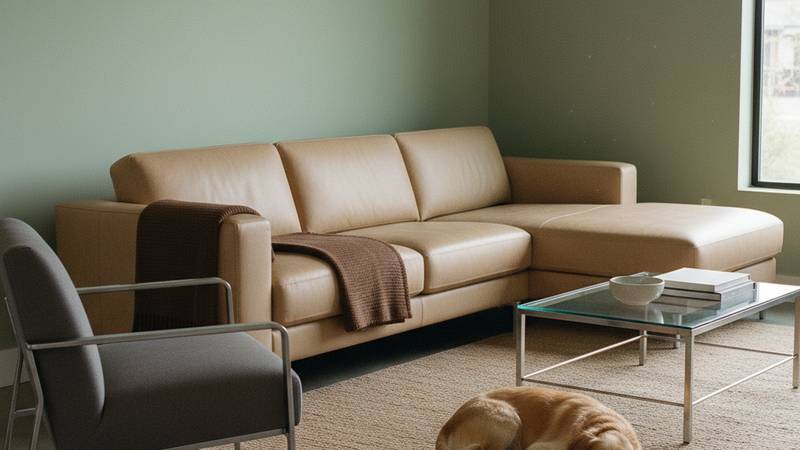
Preventing buildup starts before fur even settles, with what materials you bring into your home. Smooth fabrics like leather, faux leather, or tightly woven twill clean off easily because fur doesn’t stick.
Plush or high-texture upholstery, on the other hand, traps hair and demands more effort later. When furnishing, prioritize washable slipcovers or modular items with cushions you can remove and wash. Slipcovers for existing pieces can add both protection and a polished look, keeping things stylish and practical.
Integrating Pet-Friendly Décor
Pet-friendly design doesn’t have to look bare or boring. Pick colors that blend naturally with your dog’s fur. Taupe couches for golden retrievers, or charcoal shades for black-furred pups.
Rugs with low pile and curtains treated for stain resistance combine beauty with easy upkeep. Even your accessories can multitask. Store brushes or hair removers in woven baskets or use stylish ottomans that double as toy storage.
When you choose wisely, your home works for you year-round, making dog hair management effortless and natural.
Understanding Dog Shedding and Hair Control
Shedding is a completely normal part of a dog’s life, but understanding why it happens is the first step to managing it. Dogs shed to replace old or damaged fur, and seasonal shedding ramps up in spring and fall as changes in daylight and temperature trigger new coats.
Breeds like Huskies or Labradors are heavy shedders, while Poodles and Terriers lose less hair because of their curly or wiry coat structure. Too much shedding can sometimes be a red flag for stress, allergies, or nutrition issues.
For instance, low levels of fatty acids can make fur brittle and more likely to fall out, while stress can speed up hair loss through hormonal changes. Understanding these factors helps dog owners adjust grooming and home cleaning routines more effectively, cutting down on daily cleanup and keeping the home feeling fresh.
How Grooming Supports a Hair-Free Home
Regular grooming is the foundation of any dog hair control plan. A simple brushing session daily or every other day pulls out loose fur before it lands on your couch or floor.
Using grooming tools made for your dog’s coat—slicker brushes for long-haired dogs, rubber curry brushes for short coats—can make a big difference.
Bathing every 4–6 weeks with a mild, pet-safe shampoo removes extra fur and dander while hydrating the skin. According to pet grooming industry research, regular baths help prevent matting, give coats shine, and reduce household allergens.
Once grooming becomes routine, you’ll notice less fur around the house and shorter cleaning sessions overall.
Dietary and Environmental Factors
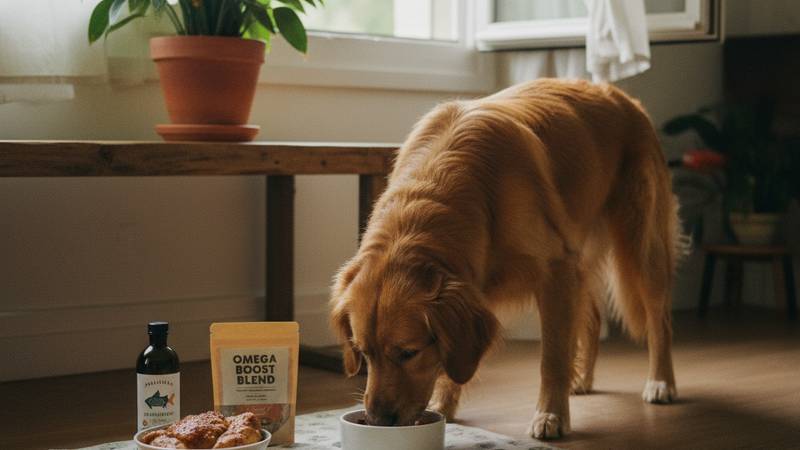
A healthy coat starts inside. Foods rich in omega-3 and omega-6 fatty acids (like salmon oil, flaxseed, or poultry fat) strengthen hair follicles and improve elasticity, which means fewer broken hairs and a smoother coat. Proper hydration also matters, since dryness can lead to dandruff and more shedding.
Environmental factors count too. During winter, indoor heating often dries the air, causing static that makes fur cling to furniture and walls. Try keeping your home’s humidity near 40% by using a humidifier.
When you balance diet, regular grooming, and humidity control, you’ve addressed most of the problem before even picking up a vacuum. Once the source is under control, you can focus on the places where hair loves to linger.
PetLovers Take on a Hair-Free Home
Keeping dog hair under control isn’t about endless chores; it’s about balance. With regular grooming, effective air care, and smart fabric decisions, your home will stay cleaner and more comfortable. Pair those habits with great pet hair remover tools, and what once felt like a never-ending battle becomes quick daily maintenance. A cleaner, fresher home reflects care for both your environment and your pet’s comfort. With consistency and intention, peace and cleanliness can easily coexist.
FAQs about How To Get Rid of Dog Hair Everywhere
How to get rid of dog hair all over the house?
Use a pet-focused vacuum, rubber broom, microfiber mop every day, and keep plenty of pet lint rollers nearby. Regular grooming, washable covers, and reusable removers will keep shedding under control.
How to keep a house clean with dog hair?
Brush your dog outside or over a towel, vacuum every day, and do one deep clean weekly. Clean from top to bottom to prevent loosened hair from resettling.
Is it normal for dog hair to be everywhere?
Yes, most dogs shed naturally, though excessive shedding can signal health problems or poor grooming routines. Regular brushing and a balanced diet help tone it down.
What do groomers use to de-shed a dog?
Groomers rely on tools like undercoat rakes, slicker brushes, and high-velocity dryers to safely remove loose fur.
How do I remove dog hair from couch cushions and upholstery?
Use a damp sponge, rubber glove, or reusable roller on the surface, then vacuum with an upholstery attachment for deep cleaning.
What is the best vacuum for picking up dog hair on carpets?
Look for vacuums with high suction, HEPA filters, and tangle-free brush rolls designed specifically for pet hair.
Are there natural ways to reduce dog shedding at home?
Yes. Feeding omega-rich foods, using hydrating shampoos, and keeping your dog well-hydrated all help reduce shedding naturally.
Can washing machines handle dog hair from blankets and clothes?
Yes, but shake or tumble fabrics first to loosen fur. Add an extra rinse or use a pet hair catcher to keep your machine clear.
The Right Tool for Every Surface
Reusable rollers, sticky sheets, carpet rakes, and floor tools.