

Pet Safety Tips: A Guide to First Aid, Hygiene & Everyday Care

Every pet parent wants their furry companion to thrive in a home that’s both safe and nurturing. From preventing burrs and cuts to mastering dog first aid basics, small habits can make a big difference in everyday wellbeing. Clean paws and smart hygiene solutions also help protect your household and reduce unnecessary vet visits. This all-in-one resource brings together practical checklists, safety pet essentials, and expert-backed insights into one complete Pet Safety Guide.
Pet-Proofing Your Home: A Room-by-Room Safety Checklist
Creating a safe environment is the foundation of any reliable pet safety guide. Taking time to pet-proof each room minimizes risk, prevents accidents, and protects your furry family member from common household hazards. A thorough, room-by-room approach ensures that safety and care extend throughout your entire home.
The Living Area
In the living room, electrical cords pose one of the biggest risks. Pets may chew on exposed wires, so cover them with protective tubing and secure them behind furniture. Keep small objects like coins, buttons, and toy parts off the floor and tables to avoid choking hazards.
Many common plants, including lilies, poinsettias, and philodendrons, are toxic to pets. Instead, choose pet-safe options such as spider plants or bamboo palms. Make sure blinds and curtain cords are tied up and out of reach to prevent entanglement. Secure open windows with screens and close balconies whenever pets are unsupervised. These easy steps set the tone for a safer home environment.
The Kitchen and Bathroom
Kitchens and bathrooms often hide serious dangers. Keep food storage areas sealed and trash cans covered, as foods like chocolate, onions, garlic, and anything with xylitol can be toxic. Store medications, shampoos, and cleaning products in high cabinets or locked drawers.
Floors in these rooms tend to collect residues that tempt curious noses. Regular sweeping and mild, pet-safe cleaning products help prevent ingestion of harmful substances. Always ventilate after using strong cleaners or air fresheners. These simple habits create cleaner spaces and a healthier environment, making the shift to outdoor safety even smoother.
The Garage and Yard
Garages usually contain chemicals like antifreeze, bleach, and pesticides, each can be deadly if swallowed. Keep these on high shelves or in locked cabinets. Check beneath vehicles for leaking antifreeze, since even tiny spills can be fatal.
Outside, repair any fence gaps right away to avoid escape attempts. Remove or fence off toxic plants such as azaleas, foxglove, and sago palm. Store rakes, shears, and lawn equipment safely to prevent injury. Extending these precautions outdoors creates a well-rounded safety zone that protects your pet all year long.
Assembling an Essential Pet First Aid Kit
Every responsible pet owner should have a dedicated first aid kit. Whether you buy one ready-made or build it yourself, this step saves critical time during emergencies. Quick access to key supplies helps you treat small wounds or irritations right away, lowering the risk of complications later. For all your safety supplies, visit our Pet Essentials Collection.
Key First Aid Supplies
Your kit should include sterile gauze pads, non-stick bandages, adhesive tape, and antiseptic wipes for cleaning and dressing wounds. Add tweezers for removing burrs or splinters, scissors for trimming fur, a digital thermometer, and saline solution for gentle eye rinsing. Disposable gloves also keep things hygienic and reduce the chance of contamination.
Keep a written list of emergency contacts, your vet, the nearest animal hospital, and the ASPCA Poison Control number. Store everything in a waterproof, portable pouch so you can grab it easily during travel. Being prepared means you can act confidently and quickly in an emergency.
When to Use Your Kit vs. See a Vet
Minor scrapes, burr removal, and tick extraction are often safe to handle at home. Clean the area, apply light pressure to stop bleeding, and keep your pet calm. If the wound is deep, bleeding won’t stop, or your pet shows any sign of poisoning or confusion, call your veterinarian right away.
Knowing when to stop home treatment and seek professional help prevents serious complications. Once your first aid kit is ready, you’ll be equipped to handle emergencies throughout the year.
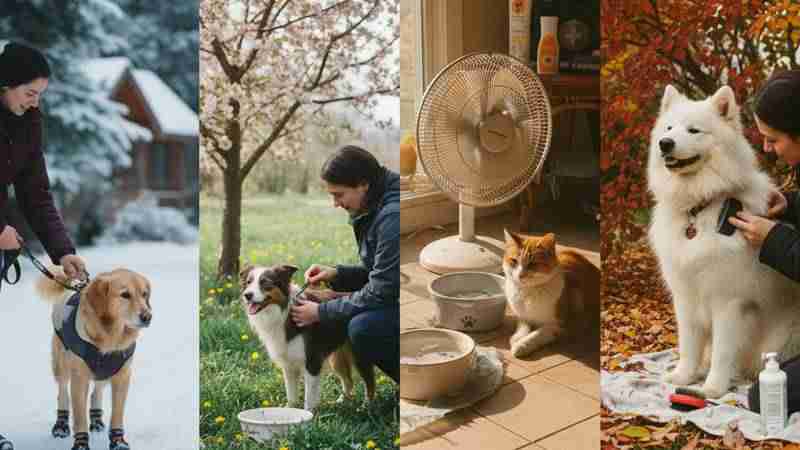
A Year-Round Guide to Seasonal Pet Safety
Your pet’s safety needs change with the seasons. Recognizing these shifts helps keep them healthy, comfortable, and well-protected all year long.
Spring and Summer Dangers
As the weather warms, heatstroke becomes a major concern. The American Veterinary Medical Association warns that cars can reach deadly temperatures in just minutes, even on mild days, so never leave your pet alone in a vehicle. Offer shade, fresh water, and plenty of rest breaks during outdoor time.
Spring also signals the return of fleas and ticks. Stick to monthly preventives and inspect your pet’s fur after walks. During summer events, keep things like corn cobs and bones away from pets to prevent choking. Around pools or lakes, watch swimmers closely, not every dog is a natural swimmer. These precautions help your furry friend stay safe through warmer seasons.
For more insights, check resources like the ASPCA’s holiday safety tips, which cover common seasonal dangers and prevention ideas.
Autumn and Winter Hazards
Cold months bring risks of frostbite and hypothermia, especially for short-haired breeds. Limit outdoor time and use insulated gear when needed. Rock salt and antifreeze are serious winter toxins, so wipe paws after walks and keep chemicals out of reach.
Holiday celebrations can also bring hidden hazards. Chocolate, raisins, and onions are poisonous, while tinsel and string lights pose choking risks. Keep décor and toxic plants like holly and mistletoe away from pets. Adjusting routines for seasonal changes helps your pet stay safe and cozy through any weather.
Safe Pet Travel Tips
Travel can be a great experience for pets when handled thoughtfully. A little planning prevents stress and keeps things calm, whether you’re driving across town or flying across the country.
Best Practices for Car Travel
Buckle your pet safely in a crate, booster seat, or travel harness to reduce movement if you have to stop suddenly. Avoid letting them stick their head out the window; flying debris or cold air can cause eye or ear injuries.
Never leave your pet alone in a car, even for a short time, since interiors heat dangerously fast. Plan regular breaks on longer trips for water, bathroom needs, and short walks. These small steps set the stage for safe, smoother journeys for you both.

Navigating Air Travel and Other Transport
Flying can be tough on pets, especially short-nosed breeds prone to breathing trouble. Studies show that oversedation has been a factor in many pet-air travel deaths over recent years. Before booking, review airline policies, choose ventilated carriers, and aim for cooler flight times.
For trains or ferries, double-check pet rules in advance and make sure vaccinations are up to date. Try short practice trips to help your pet adjust. Once travel safety is covered, you can return your attention to good hygiene and comfort back at home.
Mastering Daily Pet Hygiene and Cleanliness
Daily hygiene habits protect your pet’s comfort and keep your living space cleaner and fresher. Consistent routines limit bacteria, odors, and allergens, making life better for everyone in your household.
The Importance of Proper Waste Disposal
Good waste management keeps the home sanitary. Metal scoopers are more durable and cleaner than plastic ones, which can hold bacteria. Dispose of waste often to discourage insects and contamination.
Making cleanup part of your routine turns an unpleasant task into a quick act of care that supports a cleaner space for pets and humans alike.
Keeping Paws Clean and Healthy
Paws gather dirt, pollen, and de-icing chemicals from outdoor paths. Wipe them after each walk using gentle, pet-safe wipes or a paw-cleaning cup. This stops toxins from spreading indoors and helps you notice any minor injuries earlier.
If pads look dry or cracked, use a vet-approved balm to soothe and protect them. Clean paws mean fewer allergens on your floors and more comfort for your pet, an easy habit that pays off daily.
Proactive Health and Wellness for Your Pet
True pet wellness starts with prevention. Finding problems early and using modern tools to monitor wellbeing can add years to your pet’s life and keep them feeling their best.
Supporting Skin and Coat Health from Within
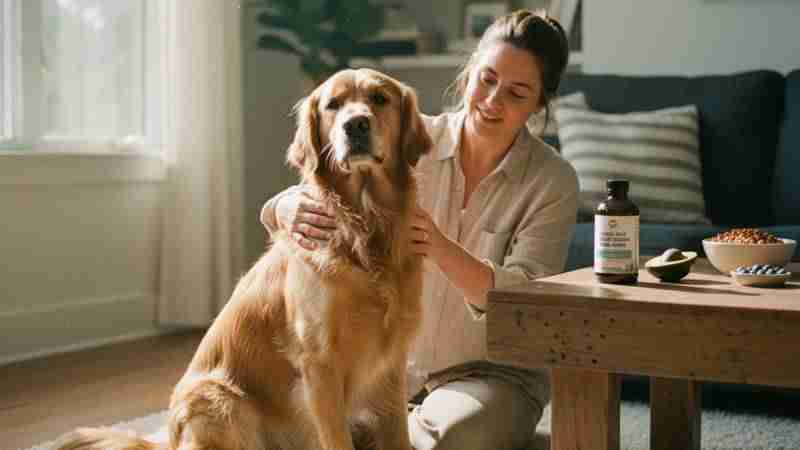
Healthy skin and shiny coats come from balanced nutrition. Diets rich in omega fatty acids can ease dryness, cut down on shedding, and boost luster. Since skin allergies are one of the top vet concerns, consistent nutritional care matters a great deal.
By nourishing your pet from the inside, you naturally improve how they look and feel. A proper diet lays the groundwork for combining nutrition with new ways to monitor health.
Leveraging Technology for Preventive Care
Smart collars and wearable monitors now track activity levels, sleep, heart rate, and even temperature changes, alerting you early to possible issues before they escalate. With these devices taking up almost half of the pet tech market, they’ve become a big part of proactive care.
Telehealth appointments add another layer of support by giving professional advice from home. Many owners delay vet visits due to cost, so digital consultations make ongoing care much easier to manage. Together, these innovations help you make timely, informed health decisions every day.
Navigating Outdoor and Public Spaces
Outdoor fun and socializing can enrich your pet’s life, but they call for awareness and control. Knowing your surroundings and local rules helps keep outings safe and enjoyable.
Leash Etiquette and Wildlife Encounters
Good leash control protects pets from traffic, bikes, and unwelcome wildlife. Use a strong, comfortable leash and stay alert in crowded spots. When greeting another dog, let them sniff calmly and keep the leash relaxed to prevent tension or fights.
In natural areas, keep pets close to avoid chasing animals, injuries, or disturbing habitats. Treats can help redirect them if something unexpected pops up. Consistent, positive leash habits build safer, happier walks.
Understanding New Regulations for Public Spaces
Rules for pets are expanding to promote wellbeing and accountability. For example, Ohio’s Avery’s Law, effective in 2026, will require proof of vaccination for public dog park entry. In states like California and Florida, new breeder transparency mandates aim to curb unethical practices.
These updates strengthen community responsibility and ensure public spaces remain clean and safe. Keeping up with your region’s regulations means you can enjoy parks and trails with confidence, rounding out your path to responsible ownership.
PetLovers Take on Safer Living
Keeping pets safe goes far beyond routine care, it’s about creating a lifestyle that anticipates risks and focuses on wellbeing. From securing every room to preparing first aid kits, from handling seasonal changes to traveling responsibly, each action deepens your bond.
Clean habits and smart tools like wearable trackers help you spot issues early and respond quickly. Whether at home, on the go, or out in the world, steady care ensures your pet enjoys a long, happy, and safe life.
FAQs about Pet Safety Guide
What are the most common pet health issues and how to prevent them?
Skin allergies are the top dog health concern, while cats often struggle with digestive troubles. Regular vet visits, balanced diets, and preventive care can make a big difference in reducing these risks.
How can I keep my pet safe in a car or during travel?
Never leave your pet in a parked car, temperatures inside rise dangerously fast. Use a secure crate or harness, and plan breaks for water, play, and rest on long drives.
Why is pet insurance growing, and is it worth it?
Rising vet expenses and better policy choices have driven growth in pet insurance. It offers valuable financial help during emergencies and helps spread preventive care costs.
How to avoid vet bills: telehealth, wearables, or home safety tips?
Pet wearables and telehealth tools catch early issues and reduce unnecessary clinic trips. Keeping your home safe and hazard-free also prevents accidents that could lead to expensive treatments.
What household hazards should I watch for seasonally?
During holidays, watch out for toxic foods, ornaments, and festive plants. Keep an eye on your home year-round for choking risks, harsh chemicals, or poisonous greenery to maintain safety in every season.